
Tactical Half-Finger Gloves: Material Science & Design Principles for B-End Buyers
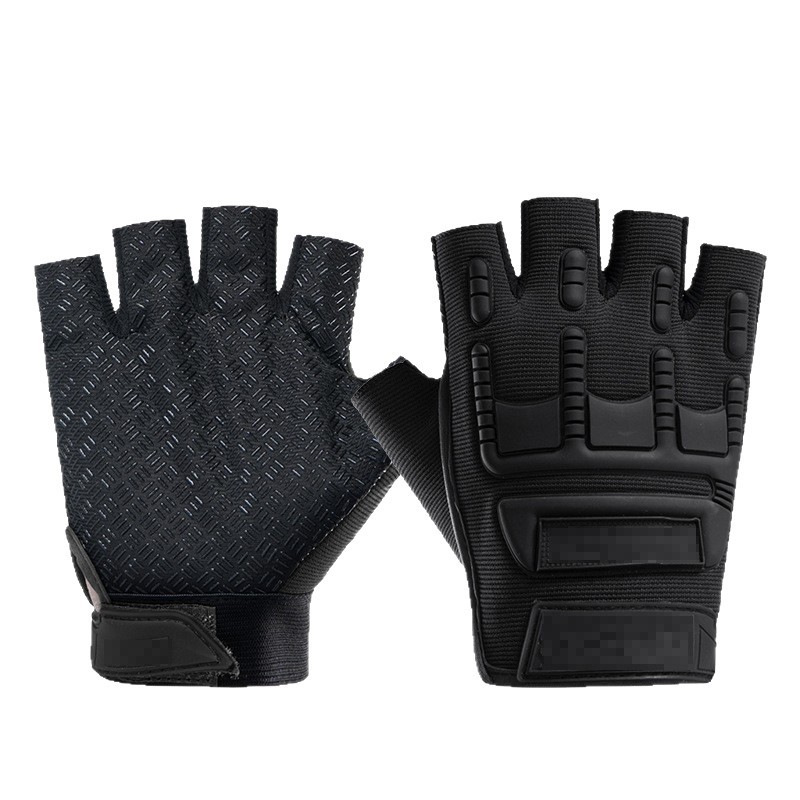
1. Primary Material Analysis
Stair Cloth (Textured Woven Polyester)
Unlike standard polyester, stair cloth uses a raised, honeycomb-like weave structure created during the weaving stage by varying warp tension. This texture achieves two opposing goals simultaneously:
· Air permeability – the raised points create micro-channels between fabric and skin.
· Abrasion resistance – contact stress is distributed across weave peaks rather than a flat surface.
From a B-end perspective, stair cloth typically achieves 300–500 cycles on the Martindale abrasion test (vs. ~200 for plain polyester), directly translating to longer replacement cycles for end users.
Polyester Fiber as Structural Base
Polyester is specified here for its low moisture regain (~0.4%) and high tensile strength (4–7 g/denier) . In glove applications, this means:
· No stretch-sagging after repeated sweat exposure
· UV resistance without degradation (unlike nylon, which softens under prolonged sun)
For cost-driven bulk orders, polyester also enables consistent dye uptake, reducing batch-to-batch color variation—a non-negotiable for branded DTC lines.
2. Key Functional Elements & Their Working Principles
Shock-Absorbing Soft Shell Knuckle Protection
The dorsal soft shell is not foam but a multi-layer laminate: a polyester outer, a middle EVA (ethylene-vinyl acetate) foam layer (2–3mm) , and a nylon tricot liner.
How it works:
EVA is a closed-cell foam with high rebound resilience (>60%). Upon impact, it compresses non-linearly—small forces produce little compression (maintaining dexterity), while high-impact forces trigger rapid energy dissipation across a wider area. Strategic placement avoids the metacarpophalangeal joints, preserving full finger flexion.
Silicone Anti-Slip Palm with Antibacterial Treatment
Two distinct technologies here:
Anti-slip mechanism – Liquid silicone rubber (LSR) is screen-printed onto the palm using a 60–80 mesh stencil, then heat-cured at 150–180°C. The resulting raised dots or chevron patterns multiply static friction by 2–3x compared to bare fabric, measured via coefficient of friction (COF > 1.2 on dry steel).
Antibacterial principle – This is typically a zinc pyrithione or silver-ion treatment bonded during the silicone curing stage. Unlike surface sprays, it migrates slowly to the surface, offering >99% reduction of S. aureus and K. pneumoniae over 50+ wash cycles—critical for gym and tactical users.
Breathable Ventilation System
Ventilation holes are not random. They are laser-cut (0.8–1.2mm diameter) in the finger gussets and dorsal metacarpal zone, creating a passive chimney effect: warm, humid air exits from the back, while cool air enters through the looser wrist opening. With stair cloth's 200–300 CFM air permeability, this reduces palm sweat by ~40% vs. non-vented designs at 25°C ambient.
Thin Fleece Lining
The lining uses micro-fleece (100–150 gsm, polyester-based) . Its purpose is not heavy insulation (which would defeat dexterity) but moisture buffering—the fleece's capillary action pulls sweat away from the skin, while its thin profile (≤1mm) adds no measurable loss in tactile feedback.
Adjustable Hook-and-Loop Wrist Strap
The strap uses nylon hook-and-loop (typically 20mm wide) with a pull force of 2.5–4.5 N/cm². This range prevents slippage during dynamic movement while allowing one-handed adjustment. From an inventory perspective, the 15cm adjustable circumference accommodates palm widths from 8–12cm, covering most adult sizes with one SKU.
3. Manufacturing & Quality Indicators for Bulk Sourcing
For distributors, three process-related specs matter most:
1. Seam construction – Look for flat-lock stitching (not overlock) on the palm side, which lies flatter and reduces blister risk.
2. Silicone adhesion – Request peel strength data (minimum 1.5 N/mm). Low-quality gloves delaminate after 10–15 wash cycles.
3. Fleece liner attachment – Tack bonding at fingertips prevents liner pull-out during removal.
4. Market Application Logic
The glove's performance targets specific user pain points:
· Weightlifting – Silicone palm + fleece lining reduce callus formation and bar-slip accidents.
· Cycling – EVA knuckle dampens trail vibration; half-fingers preserve gear-shift feel.
· Tactical training – Open fingers allow trigger or tool manipulation without removal.
Summary for Buyers
Material choices (stair cloth, polyester, EVA) and processes (LSR printing, laser ventilation, flat-lock seams) directly determine longevity, safety, and user satisfaction. Prioritize suppliers who can provide abrasion test reports, silicone pee.
Complete Gardening Gloves Buying Guide – Choose Proper Protection & Avoid Common Mistakes
Between the Sparks: Your Reliable Barrier of Safety
Related Article

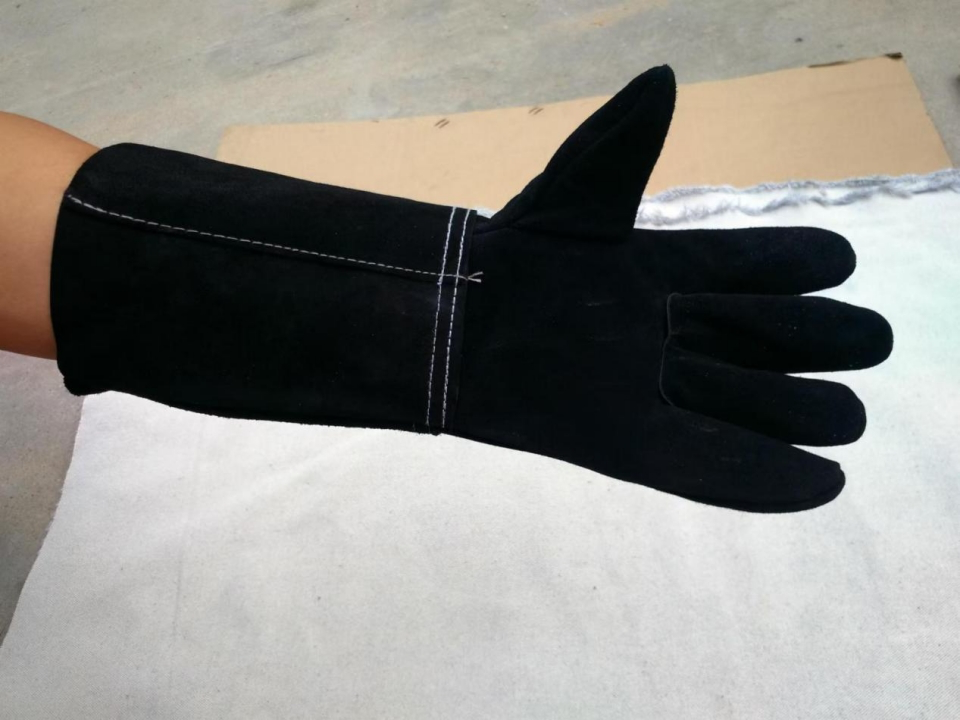
Picture the aroma of roasted meat and freshly‑baked sourdough. You open the hot oven door. Reliable heat‑resistant gloves let you handle scorching cookware safely and confidently. Our premium Cow Split Leather Oven Gloves deliver that protection.