
Buying Guide for Thick Split Cowhide Welding Gloves: How to Pick, Parameter Comparison & Common Mistakes
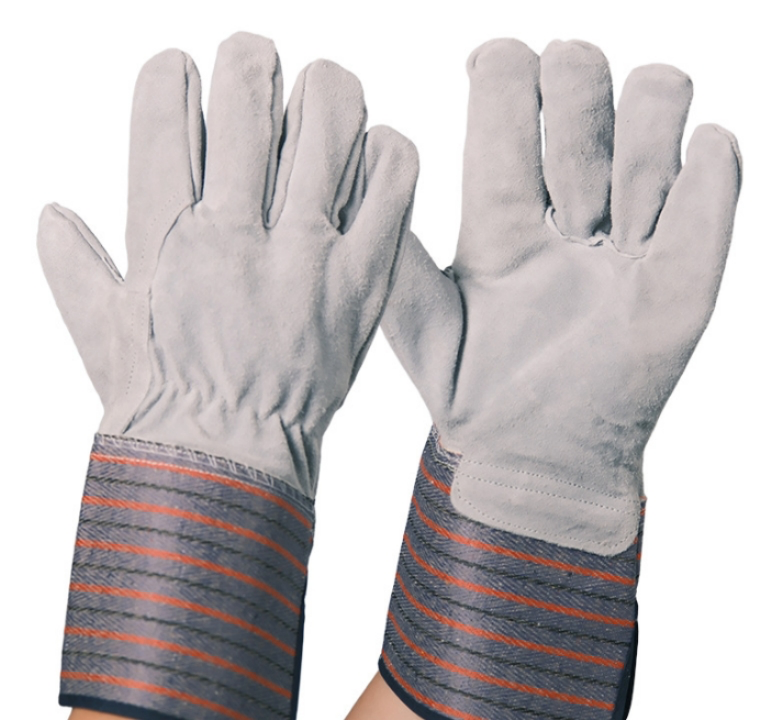
Welding work is filled with splashing high-temperature sparks, making hand burns one of the most frequent workplace injuries. A pair of qualified split cowhide welding gloves acts as the primary safety barrier for welders. There are countless styles of work gloves on the market, yet many buyers and workers select products merely by appearance, often ending up with low-quality gloves that offer inadequate heat protection. This guide covers core selection tips, key parameter comparisons and widespread purchasing mistakes to help you choose durable heat-resistant welding gloves.
1. Core Standards to Select Qualified Welding Gloves
1.1 Focus on Leather Material
Welding gloves are mainly made of split cowhide, pigskin and artificial leather, among which thick split cowhide is the top choice for welding tasks. Premium thick split cowhide features dense natural suede fibers, outstanding resistance to spark splashes and tearing. Synthetic leather melts and sticks to skin under high heat, while thin pigskin delivers poor heat insulation, only fit for light manual work instead of welding. When purchasing, feel the palm area—opt for fully thickened gloves with extended cuffs to protect forearms from sparks.
1.2 Liner & Stitching Determine Heat Resistance Lifespan
Flame-retardant cotton lining is non-negotiable. Hollow flame-retardant cotton insulates far better than thin regular cotton. All stitching must use aramid flame-resistant thread; ordinary cotton thread melts instantly when exposed to sparks, leading to rapid glove rupture. Double stitching on palm reinforcement also extends service life by 30% for frequent welding operations.
1.3 Ergonomic Cut Impacts Operational Safety
3D left-right separate cut allows flexible finger movement without restriction. Flat one-piece gloves slip easily when holding welding torches, bringing hidden safety hazards. Elastic gathered cuffs fit snugly around arms, blocking hot metal debris from slipping inside the gloves.
2. Key Parameter Comparison Chart
|
Index |
Premium Thick Split Cowhide Welding Gloves |
Low-Cost Inferior Work Gloves |
|
Leather Thickness |
1.2–1.5mm full split cowhide |
0.6–0.8mm thin scrap leather splices |
|
Heat Resistance |
Withstand short-term sparks of 300–500℃ |
Hardens & cracks above 200℃ |
|
Wear Resistance |
Over 5000 friction cycles without damage |
Holes appear within 1000 cycles |
|
Flame Retardancy |
Aramid flame-resistant thread, no melting |
Regular cotton thread melts near open flame |
|
Application Scenarios |
MIG, TIG, heavy industrial welding |
Light assembly, low-heat hand tasks |
3. Common Purchasing Misconceptions to Avoid
Mistake 1: Softer leather equals better protection. Many buyers think ultra-soft gloves are superior, but overly soft leather is usually thin with weak heat insulation. Thick suede split cowhide feels firm and tight, which delivers reliable anti-scald performance.
Mistake 2: Prioritize low prices for bulk orders. Cheap gloves spliced from leather scraps have broken insulation layers, easily pierced by welding sparks. Frequent replacements actually raise long-term procurement costs.
Mistake 3: Short-cuff gloves meet all needs. Flying welding sparks easily hit wrists. Gloves without extended striped canvas cuffs drastically increase forearm burn risks, so long-cuff styles are always recommended.
To sum up, welding gloves prioritize high temperature resistance, tear resistance and flame retardancy. Do not judge products by price alone during procurement. Screen gloves by leather thickness, lining and stitching, and avoid soft thin leather, short cuffs and cheap spliced materials to provide welders with long-lasting, reliable hand protection.
Multifunctional Half-Finger Tactical Gloves: A Technical Deep Dive into Materials, Engineering, and Performance Science
Extended Cuff Gardening Gloves Buying Guide – How to Pick, Parameter Comparison & Common Mistakes
Related Article

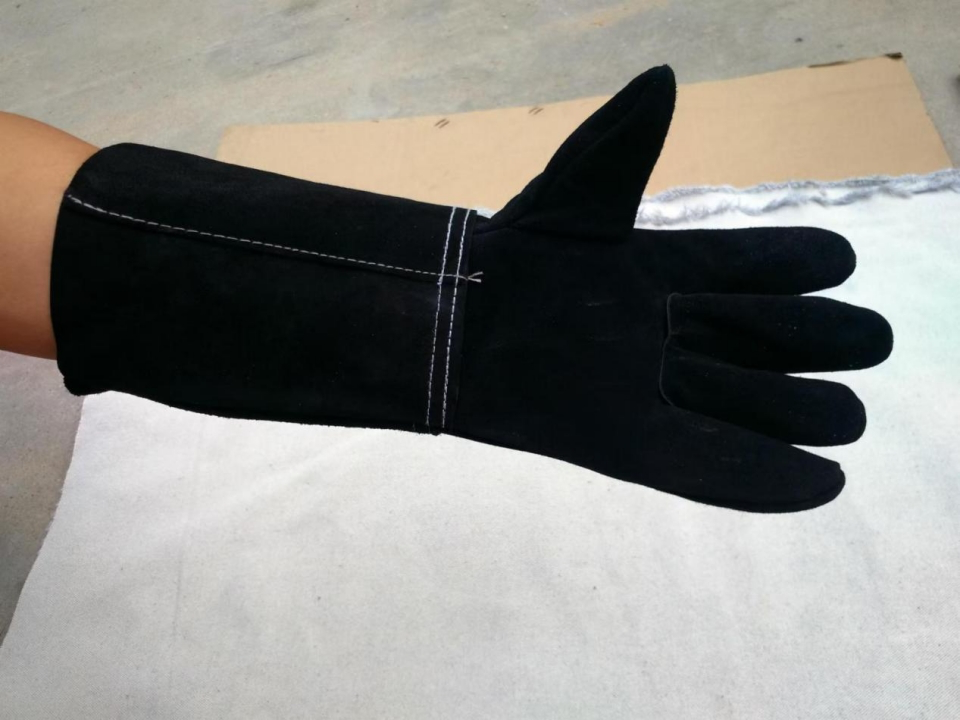
Picture the aroma of roasted meat and freshly‑baked sourdough. You open the hot oven door. Reliable heat‑resistant gloves let you handle scorching cookware safely and confidently. Our premium Cow Split Leather Oven Gloves deliver that protection.