
Multifunctional Half-Finger Tactical Gloves: A Technical Deep Dive into Materials, Engineering, and Performance Science
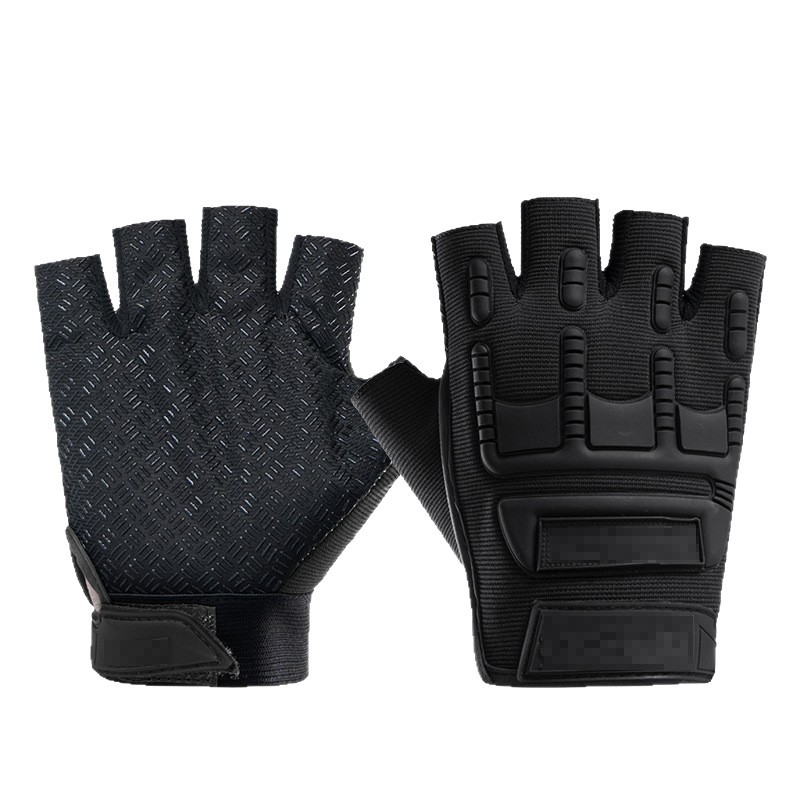
In the demanding world of tactical operations, endurance sports, and outdoor adventure, the hand is your primary interface with the environment. It is also among the most vulnerable. The difference between peak performance and preventable injury often comes down to a single, underappreciated piece of gear: the glove. Today, we are deconstructing the engineering and material science behind our Multifunctional Half-Finger Tactical Gloves—not as a fashion accessory, but as a precision instrument built on principles of biomechanics, textile technology, and impact dynamics.
The Textile Core: Deconstructing the "Stair Cloth"
The foundation of any high-performance glove is its primary fabric. We have engineered our gloves using a specialized stair cloth (ladder cloth) , a warp-knitted polyester textile that is fundamentally different from standard cotton or nylon blends. In textile engineering, polyester (polyethylene terephthalate) is prized for its low moisture regain—less than 0.4%—meaning it actively repels water absorption while promoting rapid evaporation.
However, the true innovation lies in the fabric's structural geometry. Stair cloth features a three-dimensional, open-mesh architecture that creates micro-channels between the yarns. These channels function as a passive ventilation system, facilitating convective heat transfer. During high-cardio activities like cycling or circuit training, this structure actively pulls perspiration away from the skin via capillary action and dissipates it into the air, a process known as moisture-wicking. This prevents the maceration of the stratum corneum, reducing the risk of friction blisters and maintaining grip integrity even under saturated conditions.
Grip Theory and Friction Interface: The Silicone Palm
The palm is where kinetic energy transfers from the athlete to the equipment. We have reinforced this critical zone with a silicone anti-slip coating. Unlike traditional rubber or PVC, silicone is a thermoset elastomer with a high coefficient of friction that remains stable across a wide temperature range. More importantly, silicone exhibits a phenomenon known as "stiction"—a static friction that provides immediate grip without requiring excessive clamping force.
This means you can secure a grip on a climbing carabiner, a dumbbell, or a motorcycle handlebar with reduced muscular effort in the flexor digitorum tendons. This translates to less forearm fatigue and more precise control, particularly in wet or humid environments where traditional leather or suede palms would become slick. The silicone is applied via a screen-printing process that ensures a patterned, directional grip, allowing for tactile feedback while maintaining a non-abrasive surface that won't prematurely wear down handlebar tape or gear coatings.
Impact Attenuation: The Science of Soft Shell Armor
Protection on the dorsal (back) side of the hand requires a fundamentally different approach. Here, we have integrated a soft shell shock-absorbent armor over the metacarpophalangeal (MCP) joints, commonly known as the knuckles. This is not a rigid, bulky plate. It is a carefully engineered polymer composite designed for impact energy dispersion.
The material operates on the principle of non-Newtonian behavior—it remains flexible under low-velocity movement, allowing for full flexion and extension of the fingers. However, upon high-velocity impact, the polymer chains temporarily lock together, absorbing kinetic energy and spreading the force across a broader surface area. This reduces the peak force transmitted to the underlying bone structure. The "soft shell" designation is critical here; it ensures that while you are protected against hard knocks from rocks, equipment, or obstacles, you retain the dexterity necessary for fine motor skills, such as operating a touchscreen or adjusting a weapon sight.
Thermoregulation and Microclimate Control
The interior features a thin fleece lining that serves a dual purpose. While commonly associated with warmth, the primary function here is microclimate management. The fleece acts as a capillary buffer, wicking moisture away from the skin towards the outer stair cloth for evaporation. Simultaneously, it traps a thin layer of static air—an excellent insulator—providing just enough thermal regulation for cool mornings or high-altitude treks without causing thermal overload during intense exertion.
To complement this, we have integrated joint ventilation perforations on the back of the hand. These are not random holes; they are precisely positioned over the dorsal interosseous muscles, where heat generation is highest. This creates a chimney effect, leveraging the Bernoulli principle to draw hot air out of the glove while drawing cooler ambient air in through the wrist, ensuring a stable internal microclimate.
Ergonomic Closure and Anatomical Freedom
The adjustable hook-and-loop wrist closure is the final piece of the ergonomic puzzle. It provides a secure anchor point that stabilizes the glove, preventing shear forces that cause blisters and ensuring the protective armor remains correctly positioned over the knuckles during dynamic movement. The design allows for a personalized fit without constricting the flexor tendons or the radial artery, ensuring optimal blood flow and nerve conduction.
Conclusion: The Sum of the Systems
These Multifunctional Half-Finger Tactical Gloves are not merely a barrier; they are a synergistic system. The half-finger configuration itself is a deliberate compromise, sacrificing a small area of coverage to preserve the thousands of mechanoreceptors in your fingertips—essential for tactile discrimination. By understanding the material science—the moisture-wicking polyester, the friction-dominant silicone, the non-Newtonian armor, and the breathable fleece—users can appreciate that this is a tool designed for the science of human movement. It is protection engineered for performance, ensuring your hands remain ready, comfortable, and capable, regardless of the challenge.
Unveiling the Science Behind Thickened Latex Household Gloves: A Product Knowledge Deep Dive
Buying Guide for Thick Split Cowhide Welding Gloves: How to Pick, Parameter Comparison & Common Mistakes
Related Article

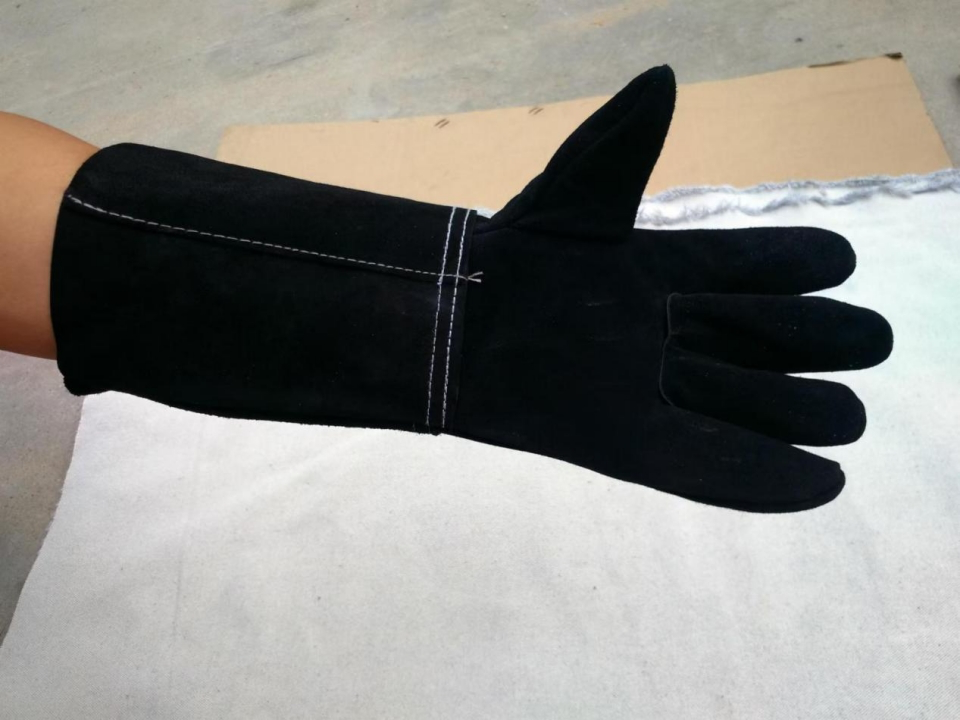
Picture the aroma of roasted meat and freshly‑baked sourdough. You open the hot oven door. Reliable heat‑resistant gloves let you handle scorching cookware safely and confidently. Our premium Cow Split Leather Oven Gloves deliver that protection.