
Buying Guide for Split Cowhide Welding Gloves: How to Pick, Parameter Comparison & Common Mistakes
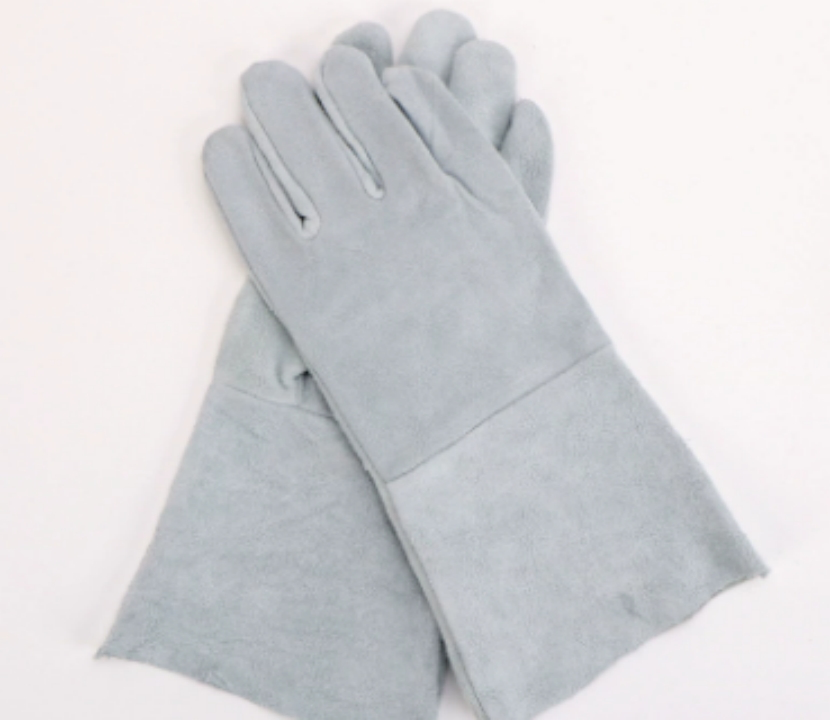
For welders, metal cutters and high-temperature forging workers, a qualified long welding glove acts as the critical barrier against sparks and burn injuries. The market is flooded with suede welder gloves of uneven quality. Many buyers only judge products by low prices and end up with gloves that fail safety standards. This complete buying guide covers material specs, practical selection tips and typical purchasing traps to help you pick durable, secure split cowhide welding gloves.
1. Compare Core Technical Parameters to Judge Quality
Material Difference
Premium gloves are made of thick split cow suede with dense natural fibers, featuring outstanding abrasion resistance and anti-spark performance. Inferior alternatives use bonded leather scraps or faux suede, which crack and peel after just 1 or 2 shifts. Authentic split cowhide has uniform suede texture and excellent tear resistance, far stronger than synthetic leather.
Cuff Length Standard
Three mainstream long cuff sizes are available: 30cm, 35cm and 40cm. Short cuffs only fit tiny spot welding. For steel structure construction, shipyard and heavy welding, choose 40cm extended cuffs to fully cover forearms and prevent spark burns.
Leather Thickness & Wear Resistance
Certified welding gloves require a leather thickness of at least 1.2mm, without thin patched fragments. Qualified split cowhide withstands 5,000 times of friction without perforation, while cheap thin leather wears through after only 1,000 rubs.
Lining Craft
Uncoated full cowhide lining delivers superior breathability to avoid sweaty hands during long shifts. Insulated padded linings are optional for continuous high-temperature welding tasks.
2. Practical Inspection Methods Before Purchase
- Visual Check: Even suede surface without holes or scrap leather splicing; neat cut edges without rough burrs.
- Tear Test: Pull the finger joints and cuff hard. Genuine split cowhide will not turn white or rip easily.
- Flame Resistance Test: When exposed to welding sparks, standard cowhide carbonizes and extinguishes quickly, instead of melting and dripping flammable plastic like faux leather.
- Fit Test: Independent five-finger design ensures flexible movement without stiffness, so welders can operate tools smoothly.
3. Common Purchasing Mistakes Most Buyers Make
Mistake 1: Lower price equals better value
Ultra-cheap gloves are mostly made of thin bonded scrap leather. They tear easily when touched by sparks, leading to frequent replacements and potential workplace burn injuries. Long-term costs and safety risks far outweigh initial savings.
Mistake 2: Short cuffs are sufficient
Sparks splash widely during heavy welding work. Short cuffs cannot protect forearms, which often result in second-degree burns. Extended 40cm cuffs are mandatory for shipbuilding and steel projects.
Mistake 3: Judge quality only by surface look
Faux suede looks almost identical to split cowhide, but it melts under high heat and offers zero welding protection. Always confirm the raw material is genuine split yellow cow suede before bulk orders.
Final Conclusion
Safety protection is the core function of long split cowhide welding gloves, so price should never be the only priority. Prioritize gloves made of full thick cowhide with 40cm long cuffs and 1.2mm minimum thickness. Stay away from cheap synthetic leather and scrap spliced products. Balancing wear resistance, spark resistance and flexibility, premium suede welding gloves deliver long-lasting, reliable hand protection for all welding workers.
MEXICAN Men's Sheepskin Leather Gloves
Unveiling the Science Behind Thickened Latex Household Gloves: A Product Knowledge Deep Dive
Related Article

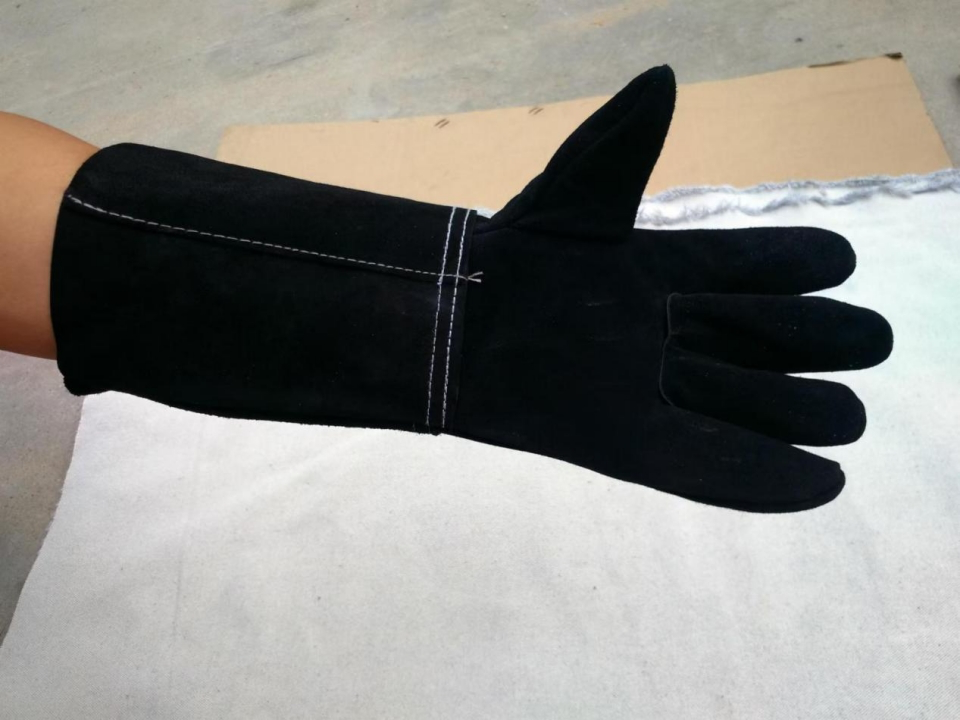
Picture the aroma of roasted meat and freshly‑baked sourdough. You open the hot oven door. Reliable heat‑resistant gloves let you handle scorching cookware safely and confidently. Our premium Cow Split Leather Oven Gloves deliver that protection.