
The Science of Winter Grip Gloves: Why Polyester Works
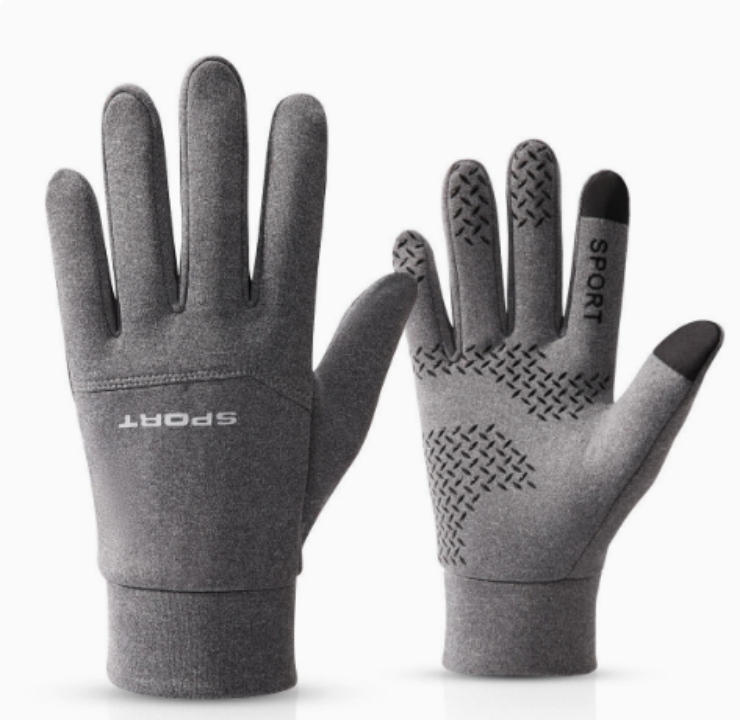
1. The Polymer Foundation – Why Polyester
Polyester is a synthetic polymer—long molecular chains derived from petroleum. But modern fibres are engineered at the microscopic level. Their molecular structure creates countless tiny air pockets within the fibre matrix. Still air is an excellent insulator; by trapping it, polyester forms a thermal barrier that holds body heat close to the skin. Unlike cotton, which absorbs moisture and loses its insulation when wet, polyester is hydrophobic. It repels water, maintains its loft in damp conditions, and dries quickly—a vital advantage when snow or sweat threatens to chill.
2. Hollow Core and Multi Channel Fibres
Not all polyester fibres are solid. Premium winter gloves use hollow core fibres—each filament contains a continuous microscopic air channel through its centre. This hollow cavity traps additional still air within the fibre itself, boosting warmth without adding weight. It also creates a capillary effect that draws perspiration away from the skin. As moisture migrates through the channel, it evaporates rapidly, keeping hands dry during active use. Advanced versions employ multi channel hollow fibres, where several parallel channels run through each filament, optimising both heat retention and moisture transport simultaneously.
3. Knitting Technology – Gauge and Seamless Construction
The warmth and flexibility of a polyester glove depend heavily on its knitting. Quality winter gloves are produced using seamless knitting technology, where the entire glove—cuff, palm, and fingers—is formed in one continuous process. This eliminates internal seams that chafe and create pressure points, ensuring a comfortable fit.
The key metric is gauge—the number of stitches per inch. A 13 gauge glove has 13 stitches per linear inch, offering a proven balance between fabric density (enhancing durability and insulation) and stretch (preserving dexterity). Higher gauges yield finer, tighter knits for greater precision; lower gauges produce thicker, more cushioned gloves. The 13 gauge standard is the industry benchmark for winter gloves that must perform across varied conditions without sacrificing finger mobility.
Many gloves also feature an inner fleece or brushed lining. The brushing process raises surface fibres, creating extra volume and a soft texture. This increased surface area traps more still air, enhancing insulation. Some use polar fabric, a specialised polyester knit designed to maintain body temperature even in sub zero conditions while remaining lightweight and breathable.
4. Coating Technologies – The Dipping Process and Grip Materials
Warmth alone is not enough; a winter glove must provide reliable grip, especially in wet, icy, or oily environments. This is achieved through coating technologies, applied via a dipping process. The knitted glove core is fitted onto a hand shaped former and immersed in a liquid coating compound. After dipping, it undergoes controlled drying and curing—typically at about 120°C for 40–60 minutes—to permanently bond the coating to the polyester substrate.
Different coating materials offer distinct properties:
Nitrile (acrylonitrile butadiene rubber): excellent abrasion, puncture, and tear resistance. Provides a tacky, secure grip in dry and lightly oily conditions.
Polyurethane (PU): a thin, flexible coating that preserves tactile sensitivity while offering good non slip properties and abrasion resistance—ideal for tasks requiring fine motor control.
Latex (natural rubber): excels in wet environments, with exceptional elasticity and a grip that improves with moisture. Latex coatings often have a crinkled or micro finish texture, creating microscopic suction cups that adhere firmly to smooth surfaces.
Beyond basic coatings, specialised anti slip technologies exist. Foam coatings have a cellular structure that disperses liquids on contact, maintaining friction in oily or greasy settings. Silicone traction strips with multi directional grooves on the palm and fingers significantly boost surface friction. The term VOCUUM anti slip technology refers to a matte, textured palm coating that delivers exceptional grip in micro oil environments—a crucial detail for mechanics and outdoor workers.
5. Versatility and Everyday Application
Polyester winter grip gloves are not limited to commuting. They serve urban pedestrians on icy pavements, outdoor enthusiasts on frozen trails, and professionals in logistics, construction, and maintenance. Many models now include conductive fingertips for touchscreen use, allowing you to answer calls or use maps without exposing your hands to the cold.
Conclusion
Winter does not have to be a battle. With the right gloves, it becomes an opportunity to move freely and confidently. Modern polyester winter grip gloves are the result of sophisticated polymer engineering, precision knitting, and tailored coating chemistry. They provide warmth, dryness, and traction—all in a lightweight package. Understanding the material and its manufacturing science is the first step to making an informed choice. Choose with knowledge; choose with confidence.
Dot PVC Anti-slip Work Gloves Buying Guide – How to Choose, Parameter Comparison & Common Mistakes
Summer UV Protection Driving & Cycling Gloves Buying Guide
Related Article

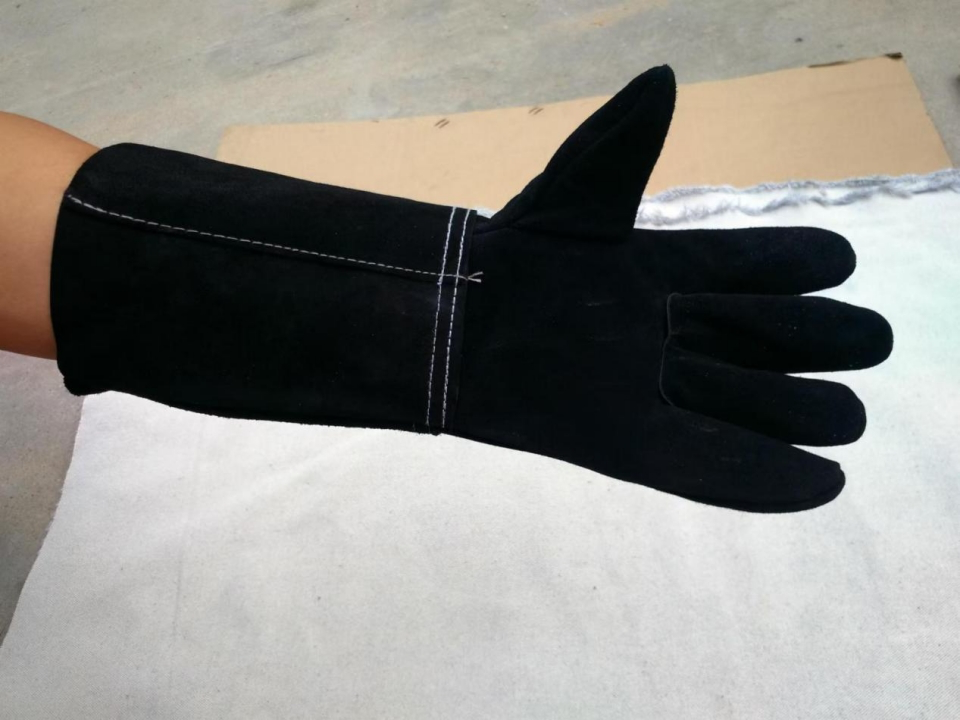
Picture the aroma of roasted meat and freshly‑baked sourdough. You open the hot oven door. Reliable heat‑resistant gloves let you handle scorching cookware safely and confidently. Our premium Cow Split Leather Oven Gloves deliver that protection.