
Buying Guide for Stainless Steel Chainmail Cut-Resistant Gloves
When working with sharp blades in meat processing, glass cutting, woodworking and food‑handling industries, stainless steel chainmail cut-resistant gloves serve as critical personal protective equipment. Choosing a suitable pair helps you balance safety, wearing comfort and long-term service life. This buying guide shares practical tips for your procurement.
First of all, material quality is the core factor you need to evaluate. Reliable chainmail gloves adopt 304-grade stainless steel with interlocking ring structure. Each steel ring is tightly connected by flawless welding craft, delivering minimum 200N tensile resistance. Inferior products use thin or mixed-grade steel wire, which may crack under sharp-blade impact. For food-contact scenarios, confirm the material is safe for direct food touch and supported by CE certification to meet European market access requirements. Without valid certification, you will face customs clearance risks when exporting to EU regions.
Next, pay attention to size and wearing structure. This type of glove offers multiple sizing options ranging from XXS to XL. Measure your palm width and hand length before ordering, instead of selecting sizes only by height and weight. Well-made chainmail gloves are ambidextrous for both left and right hands. The adjustable wrist strap with copper-button fastener allows flexible tightness adjustment to fit various hand shapes. Loose-fitting gloves will slide during operation and bring hidden safety hazards, while overly tight ones restrict finger flexibility and reduce working efficiency. Good chainmail products keep high dexterity, so workers can finish complex cutting tasks without obstruction.
Application scenarios should also match your purchase. Chainmail cut-resistant gloves are widely applied for slaughter processing, meat division, glass machining, garment cutting and rescue operations. Bear in mind that these gloves focus on anti‑cut performance against sharp blades. They cannot resist puncture from sharp tips or high‑temperature burns. Do not misuse them for tasks beyond their protection scope.
Many buyers fall into common misunderstandings during selection. A frequent mistake is equating all metal mesh gloves to the same safety standard. Appearance-similar low-cost gloves may lack formal CE certification and use poor welding joints. Broken steel rings will scratch hands unexpectedly. Another misconception is ignoring daily maintenance. Even premium chainmail gloves need regular cleaning. Wash them with 50-degree soapy water or detergent‑added hot water at least once per working day, then store in cool and ventilated places. Dirty or corroded chainmail will shorten service life and fail food-industry hygiene inspection. Some purchasers only focus on unit price while ignoring size completeness. Insufficient size options will cause low staff wearing compliance in mass-use workshops.
To sum up, qualified stainless steel chainmail gloves combine certified food‑safe raw material, solid welding craftsmanship, adjustable ambidextrous design and proper sizing system. Do not merely chase low unit cost. Verify material standard, certification documents and structural details, so you can obtain reliable hand protection for industrial operators.
Beat the Heat, Glove Up: The Science Behind Summer Cycling Sun Protection
How to Choose Low‑Voltage Insulated Electrician Gloves: Buying Guide & Common Mistakes
Related Article

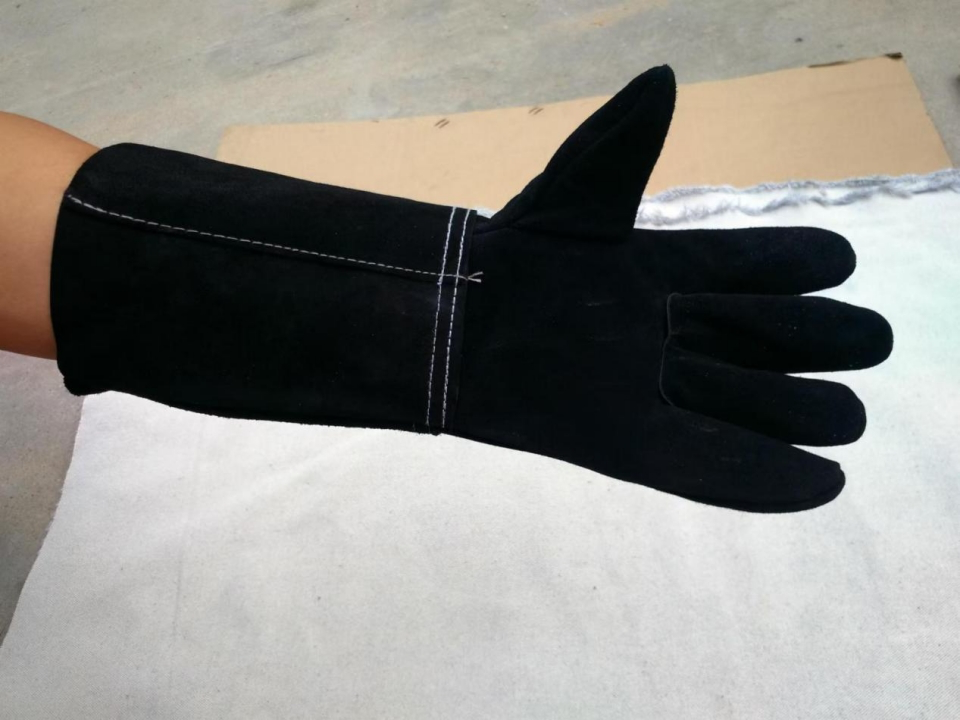
Picture the aroma of roasted meat and freshly‑baked sourdough. You open the hot oven door. Reliable heat‑resistant gloves let you handle scorching cookware safely and confidently. Our premium Cow Split Leather Oven Gloves deliver that protection.