
How to Choose Low‑Voltage Insulated Electrician Gloves: Buying Guide & Common Mistakes
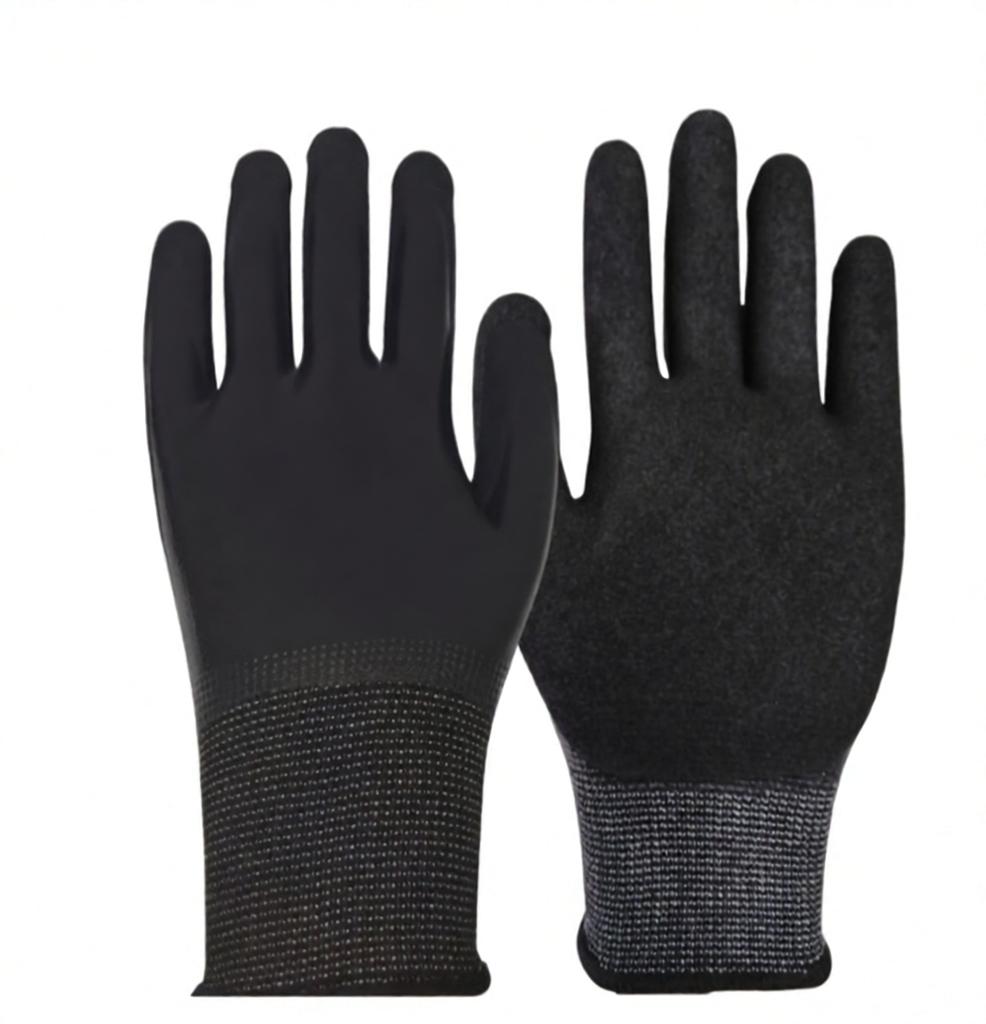
Hand protection is your primary safety barrier during electrical work. A qualified pair of insulated gloves protects workers from electric shock. Faced with a wide range of products on the market, many buyers feel confused when making choices. This guide covers key selection tips, parameter comparison and typical purchasing misunderstandings.
Voltage rating is the most critical specification for insulated gloves. Common 400V and 500V ultra thin nitrile insulated gloves are designed for low voltage live line maintenance. You need to distinguish the rated working voltage from maximum test voltage. The 400V grade fits household low voltage circuit operations, while 500V suits most household and factory low voltage live tasks. Please note: low voltage insulated gloves are only for scenarios under 1000V and must never be used for high voltage work. Compared with bulky traditional thick rubber gloves, ultra thin nitrile gloves offer great flexibility. You can grip tools comfortably for delicate wiring and equipment repair.
Three factors deserve your attention when purchasing. First, verify test certifications. Reliable insulated gloves must come with official insulation test reports; do not trust advertising descriptions only. Second, check materials. Nitrile features great wear resistance, oil resistance and anti aging performance. Poor recycled materials may look intact, yet their inner insulating layer has already failed. Third, inspect workmanship. Avoid gloves with pinholes, cracks or air bubbles on fingertips and palms. Even tiny pinholes can destroy insulation and cause electric shock accidents.
Several common mistakes should be avoided. Mistake 1: Reuse gloves indefinitely as long as they look undamaged. Insulated gloves are consumables. Even without visible damage, insulation performance degrades due to aging, sunlight and oil pollution. Regular inspection and timely replacement are required. Mistake 2: Higher voltage rating always means better safety. Over rated gloves are too thick for flexible operation. Stiff gloves may cause slipping and operating errors. 400 500V is sufficient for most low voltage tasks. Mistake 3: Confusing ordinary nitrile work gloves with insulated gloves. Regular anti slip gloves only provide wear protection without insulation, and they must not be used for live wire work.
This ultra thin nitrile insulated glove supports 400V 500V live working. It fits hands closely with good insulation, anti slip and wear resistant performance. Always check for damage before use and keep away from sharp objects. Insulated gloves are not ordinary PPE. Do not chase low prices blindly. Certification, parameters and material quality are equally important to prevent electric hazards.
Buying Guide for Stainless Steel Chainmail Cut-Resistant Gloves
Men’s Winter Cycling Gloves winter cycling gloves touch screen Buying Guide: Avoid Pitfalls & Pick Warm Non‑slip Gear
Related Article

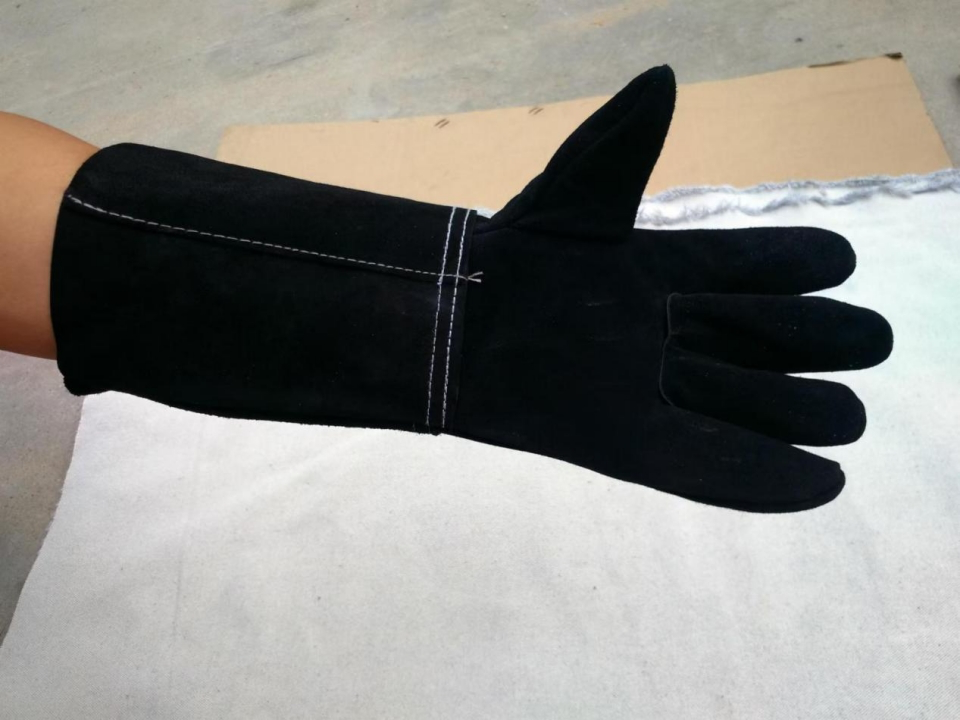
Picture the aroma of roasted meat and freshly‑baked sourdough. You open the hot oven door. Reliable heat‑resistant gloves let you handle scorching cookware safely and confidently. Our premium Cow Split Leather Oven Gloves deliver that protection.