
Beat the Heat, Glove Up: The Science Behind Summer Cycling Sun Protection
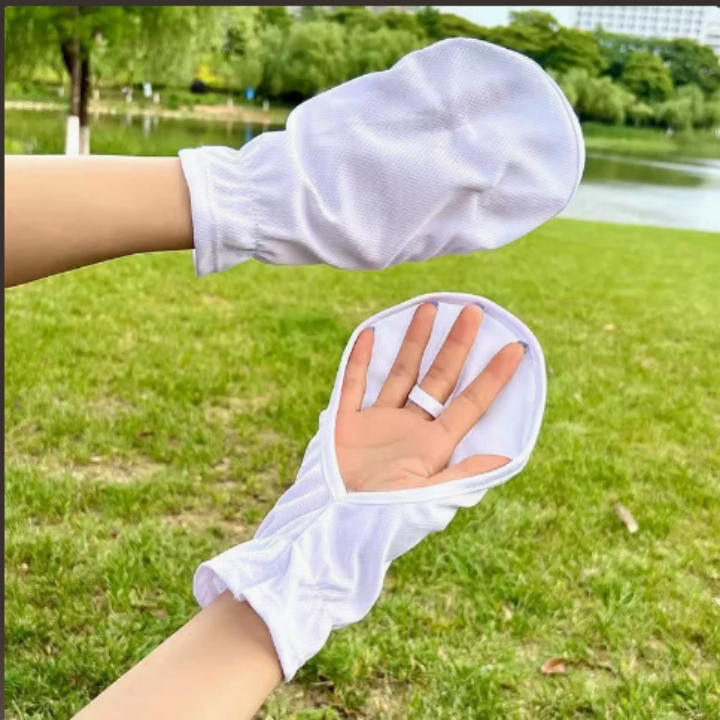
As the mercury climbs and the summer sun blazes, cyclists face a dual challenge: intense UV radiation and palm-sweating heat. While sunglasses and helmets protect your head and eyes, your hands—constantly gripping the handlebars—are often left exposed to the elements. Enter the "Ice Silk" Cycling Glove. But is it just a marketing gimmick, or is there real technology behind that cooling sensation? Today, we dive deep into the fabric science, craftsmanship, and industry terminology that make these gloves an essential summer gear.
1. Material Analysis: The Nylon "Ice Silk" Revolution
When you touch these gloves, the immediate sensation is cool, smooth, and incredibly lightweight. This is primarily due to the high-quality Nylon (Polyamide) used as the base fiber. In the textile industry, Nylon is renowned for its exceptional tensile strength and abrasion resistance—crucial for withstanding the repetitive friction against bicycle grips.
However, the "Ice Silk" effect isn't just about pure Nylon. It’s a composite fiber engineering process. During yarn production, mineral additives (often from natural jade or tourmaline powders) are embedded directly into the Nylon polymer melt. This is known as "Functional Masterbatch" technology. These microscopic particles have high thermal conductivity. When your skin heats up, these particles rapidly dissipate the body heat to the outer surface of the fabric, creating that instant, refreshing "cool-down" effect—a phenomenon the industry calls "Heat Conduction & Cooling".
Furthermore, the fabric's microstructure is designed for "Moisture Wicking". Unlike standard cotton, which absorbs sweat and becomes heavy, Nylon fibers are hydrophobic (water-repelling) on the inside. The specific weaving pattern pulls moisture from your skin and pushes it to the outer layer to evaporate quickly. This capillary action ensures your hands stay dry, maintaining grip strength and preventing skin maceration during long rides.
2. Craftsmanship Principle: The Magic of Seamless Knitting
A common misconception is that all gloves are "cut and sewn." For high-performance summer gloves, the manufacturing process is vastly different. They utilize "3D Seamless Circular Knitting" technology. This means the glove is knitted as a continuous tube on advanced circular machines, rather than stitching separate pieces together.
Why is this critical?
Pressure-Free Construction: Traditional seams can cause pressure points and painful blisters after hours of cycling. Seamless knitting redistributes tension evenly across the fabric.
Elasticity & Recovery: The tubular structure provides excellent 4-way elasticity, allowing the glove to stretch naturally with your hand movements without losing its shape (a property called "High Elastic Recovery").
Breathable Micro-Mesh: In the gaps of the knitted loops, tiny air pockets are formed. These are the "Breathability Vents" that allow hot air to escape, making the glove feel like a second skin.
3. Industry Terminology Explained
To navigate the sportswear market, you’ll often encounter these specific industry terms. Let’s demystify them:
UPF (Ultraviolet Protection Factor): This is a rating similar to SPF for sunscreen. A UPF 50+ glove blocks over 98% of harmful UVA and UVB rays. The rating isn't just from dye; it comes from "UV Stabilizers" added during polymerization, ensuring the protection doesn't wash out over time.
Denier: This measures the thickness of the nylon filament. For summer gloves, a lower Denier (e.g., 40D or 50D) is preferred. It creates a lighter, more drapeable fabric, while still maintaining tear resistance.
Air Permeability: Measured in mm/s, this dictates how much wind can pass through the fabric. High air permeability is the holy grail of summer gear—it guarantees the cool wind hits your skin directly through the fabric weave.
Wicking Rate: This represents how fast sweat transfers from the inner to the outer layer. A high wicking rate prevents the "cold shock" that happens when sweat cools too rapidly against the skin.
4. Final Thoughts: Comfort Meets Science
The modern summer cycling glove is a testament to material innovation. It combines the rugged durability of Nylon, the thermal efficiency of mineral-infused fibers, and the structural integrity of seamless knitting. It’s not just about looking stylish; it's about maintaining optimal hand temperature, reducing muscle fatigue, and preventing long-term skin damage from the sun.
When you choose your next pair, look past the shiny packaging. Check the UPF rating, feel the fabric's smoothness, and understand that every fiber is engineered for one purpose: to make your summer ride safer, cooler, and more enjoyable.
The Secret Ingredient to Confident Cooking: More Than Just an Oven Glove
Buying Guide for Stainless Steel Chainmail Cut-Resistant Gloves
Related Article
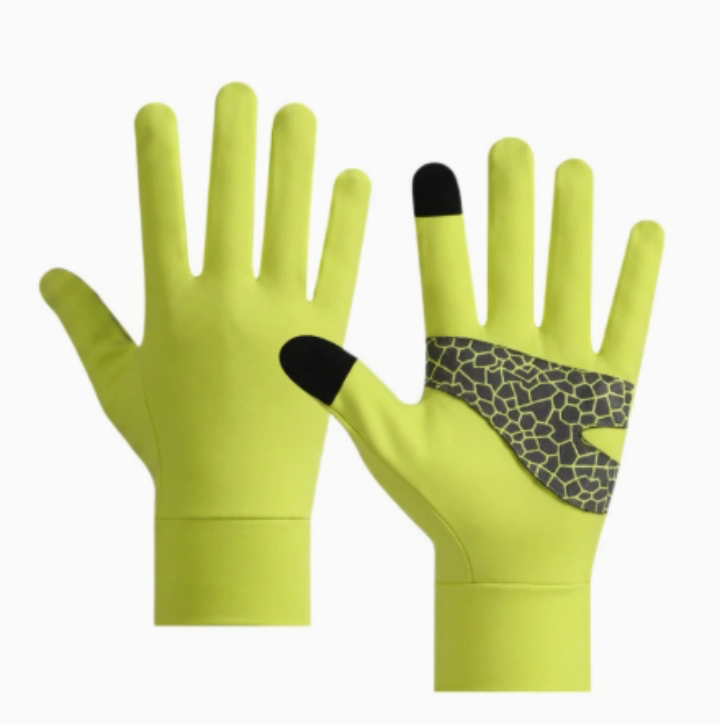

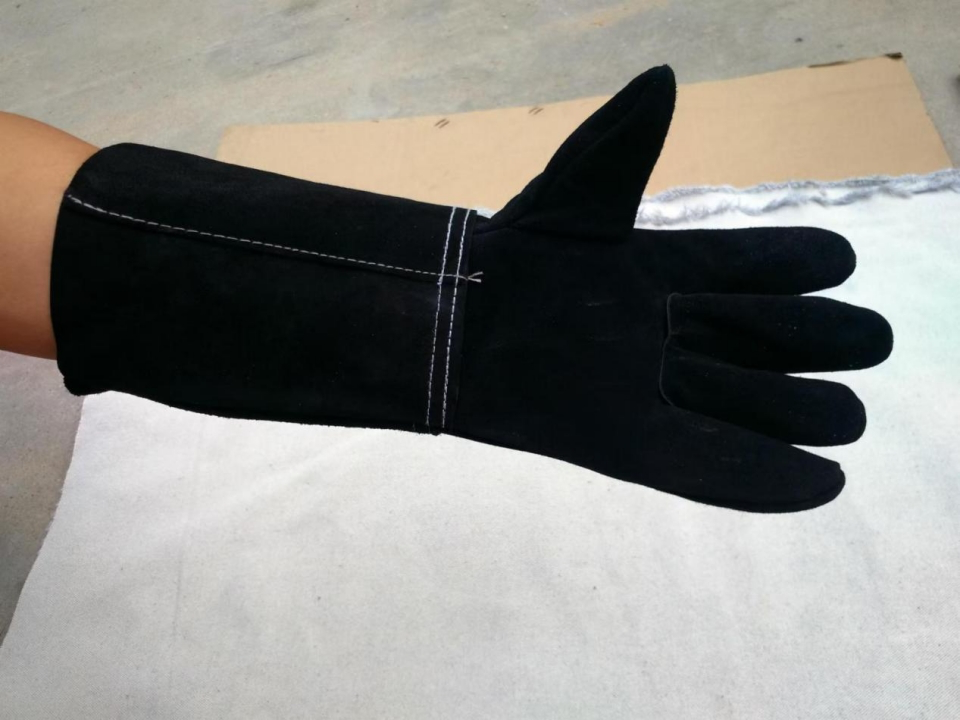
Picture the aroma of roasted meat and freshly‑baked sourdough. You open the hot oven door. Reliable heat‑resistant gloves let you handle scorching cookware safely and confidently. Our premium Cow Split Leather Oven Gloves deliver that protection.